A Busy Year in the Nest Boxes
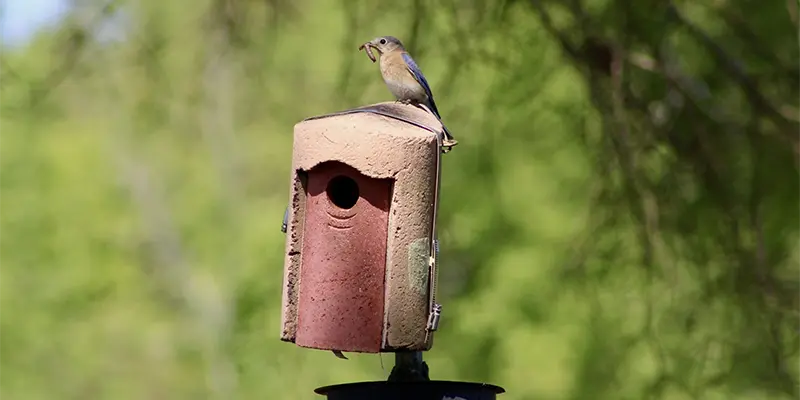
Another cavity-nesting bird season has come to an end at Carolina Wildlands Foundation, and 2026 turned out to be a busy one! Throughout spring and summer, CWF staff monitored 90 nest boxes across the property, keeping track of everything from eggs and hatchlings to fledglings and overall nesting success.
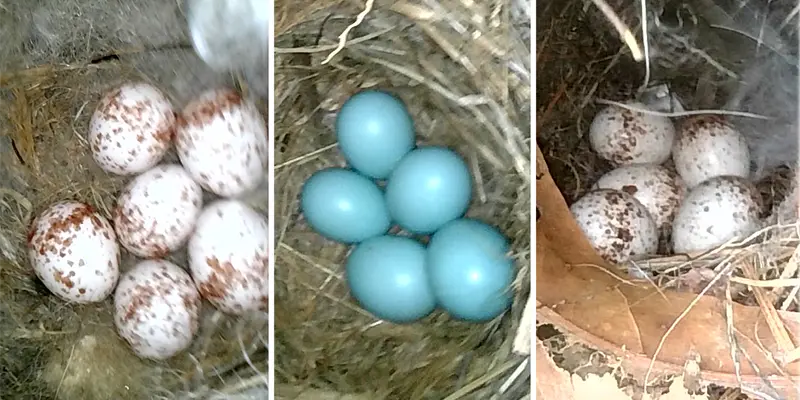
Chickadee, Eastern Bluebird and Carolina Wren
This year, five bird species nested in the boxes, producing 423 eggs, 398 hatchlings, and 304 fledglings. Overall nesting success reached 69.2%, continuing an increase from 63.3% in 2024 and 67.1% in 2025. The number of young successfully leaving the boxes has grown as well, with 178 fledglings recorded in 2024, 199 in 2025, and 304 in 2026.
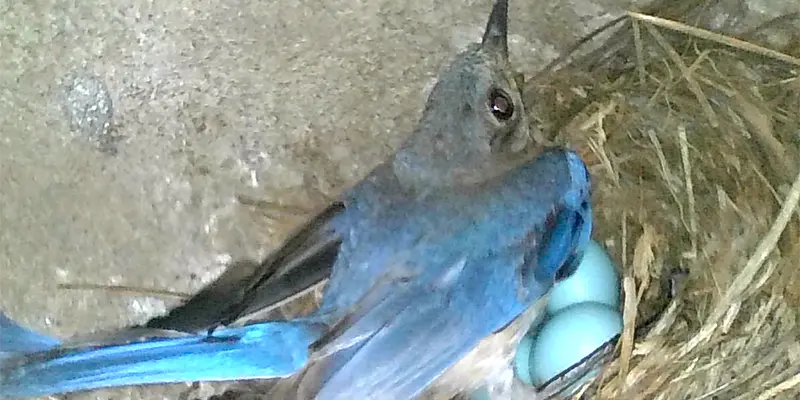
Eastern Bluebird sitting on eggs
It probably comes as no surprise that Eastern Bluebirds (Sialia sialis) were our most frequent nesters in 2026. They accounted for 89 nesting records, 352 eggs, and an impressive 244 fledglings. Carolina Chickadees (Poecile carolinensis) were also busy, producing 41 fledglings. Carolina Wrens (Thryothorus ludovicianus) produced nine fledglings, while Brown-headed Nuthatches (Sitta pusilla) and Tufted Titmice (Baeolophus bicolor) each added five more fledglings to this year’s total.
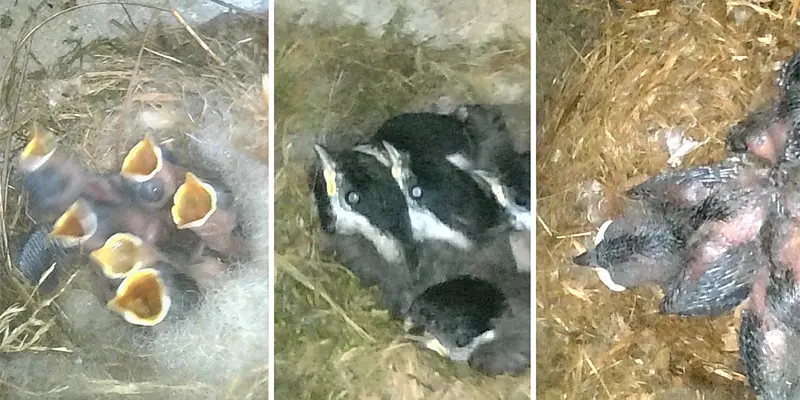
Hatchlings: Eastern Bluebird, Carolina Chickadee and Tufted Titmouse
However, counting birds is only part of the story. Each nest box also gives us an opportunity to learn more about the factors that may influence nesting success. Along with monitoring the birds themselves, CWF staff record characteristics such as box orientation, surrounding landscape, box material, and predation. Looking at these variables alongside nesting outcomes can help reveal patterns that may otherwise go unnoticed.
This year’s data showed some interesting variation in nesting success among different box orientations and surrounding landscapes. More analyses are still to come as we continue exploring what factors may play a role in nesting success across the property.
With 304 new fledglings leaving the boxes this year, 2026 added another successful season, and another valuable year of data, to CWF’s cavity-nesting bird monitoring program. Who knew so much information could come from a little nest box?
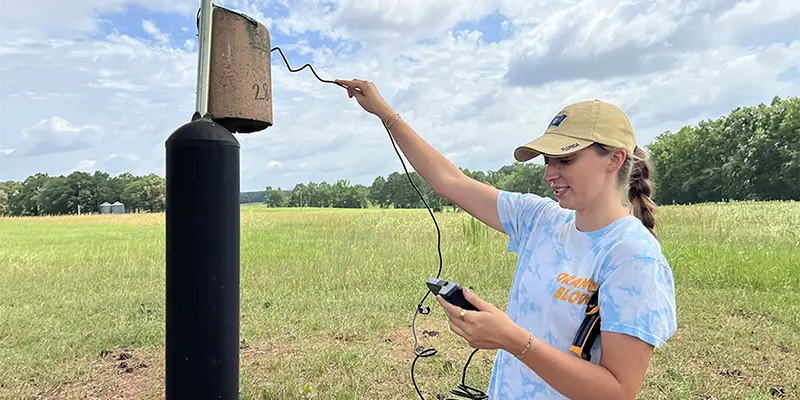
Morgan checking nest box with an endoscope.
Author: Author: Morgan Warner