Giving the Forest Some Breathing Room
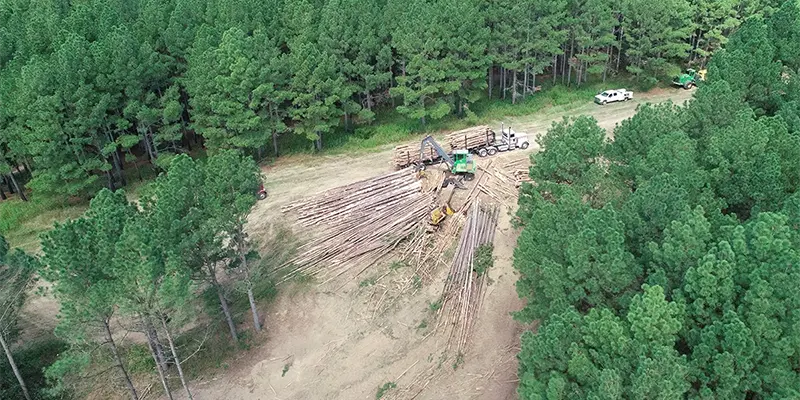
When you hear that we’re thinning pine stands, you might think, “Wait a minute…aren’t we supposed to be protecting the trees?” Well, yes! But sometimes, removing some trees is one of the best ways to protect the forest as a whole. As part of our land management plan, we periodically thin our pine stands to improve the overall health and condition of the forest. Thinning means selectively removing some trees, so the remaining trees have more room to grow.
When pine trees grow too close together, they compete for sunlight, water, nutrients, and space. A crowded stand can also have limited airflow and increased competition between trees. By carefully removing some trees, we give the remaining pines more resources to grow stronger and healthier. It also allows more sunlight to reach the forest floor, which can encourage understory vegetation and create a more diverse habitat. But there’s another reason we’re paying close attention to our pine stands: beetles!
Some beetle species attack stressed, weakened, or damaged trees. When trees are already struggling because of drought, disease, overcrowding, or other stressors, they can become more vulnerable to insect damage. Our longhorn beetle monitoring has given us a close-up look at just how many different beetle species call these forests home. Most beetles are not bad guys—many are important decomposers that help break down dead and dying wood. However, certain beetles can contribute to tree decline or take advantage of trees that are already stressed. Thinning helps us manage the forest before problems become bigger problems. By reducing competition and improving growing conditions, we can help maintain a healthier stand of trees and potentially make individual trees better able to withstand stress.
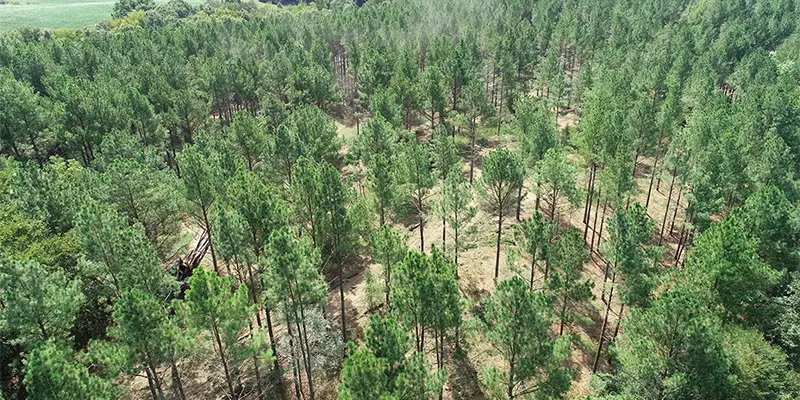
Forest management isn’t about keeping every single tree standing forever. It’s about thinking about the health of the entire forest. Some trees will be removed. Some will die naturally. Some will become habitats for insects, birds, and other wildlife. And new trees and plants will eventually take their place. Our goal is to create a forest that is healthy, diverse, and resilient while also reducing conditions that can contribute to beetle-related damage. So, the next time you see a recently thinned pine stand, don’t automatically think, “They cut down the forest!”
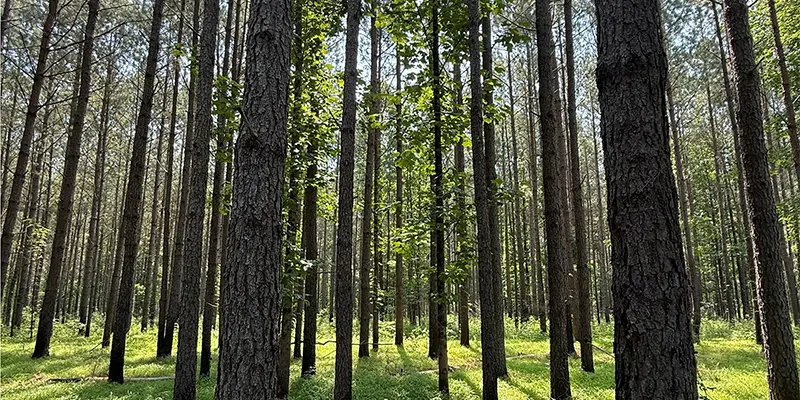
Think instead: “They’re making room for the forest to thrive.”
Author: Anna Privette