June
June Field Notes
Monthly Weather Review
Rainfall Total – 5.9 in
Highest Temperature - 96°F
Lowest Temperature - 57° F
Average Wind Speed – 6.8 mph
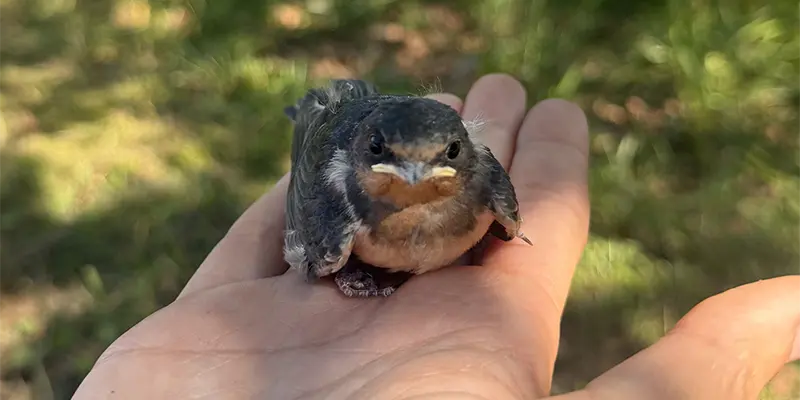
Tuesday, June 4th
- A young Barn Swallow (Hirundo rustica) that had recently fledged the nest was carefully moved from the road to a nearby low branch for safety. Young birds often spend several days on the ground or low vegetation while continuing to be fed by their parents.
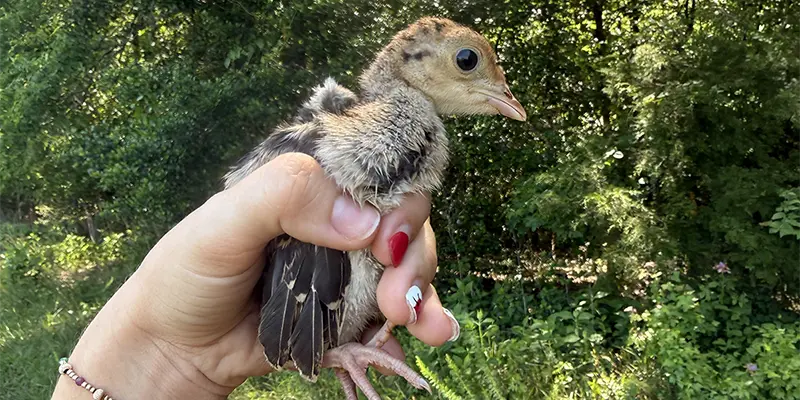
Wednesday, June 5th
- A Wild Turkey (Meleagris gallopavo) poult was safely freed after becoming caught in thick vegetation and was quickly reunited with the nearby group of poults.
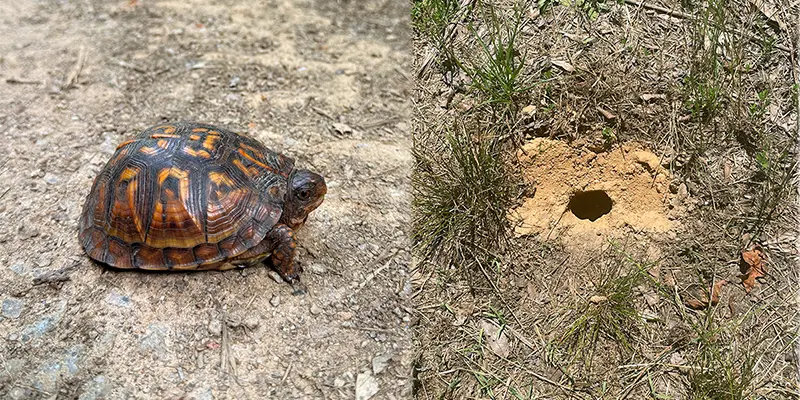
- An Eastern Box Turtle (Terrapene carolina) had excavated an egg chamber, but no eggs were deposited. Female box turtles may occasionally abandon nesting attempts if conditions are not ideal.
Monday, June 8th
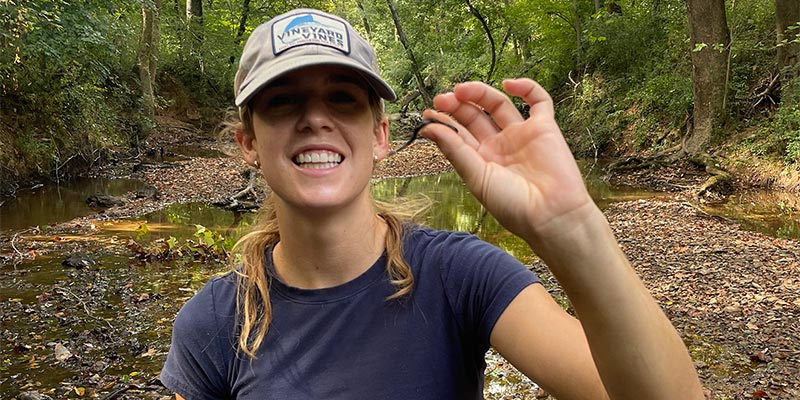
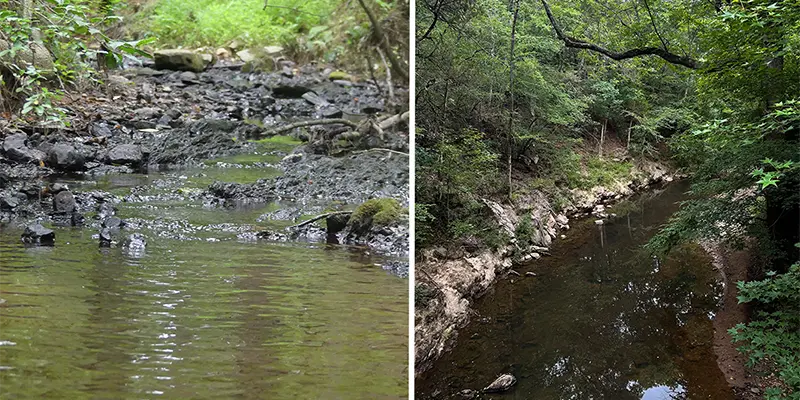
- Staff conducted monthly water quality testing across the watershed.
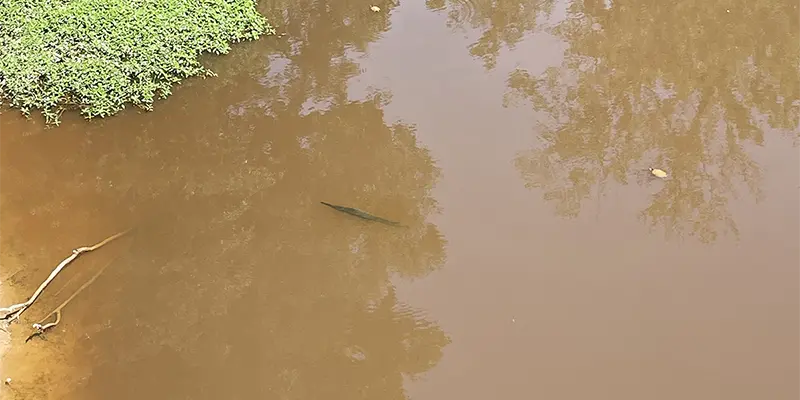
- A Longnose Gar (Lepisosteus osseus) was observed from one of the water sampling bridges. Gars are often called "living fossils" because their ancestors have existed for millions of years.
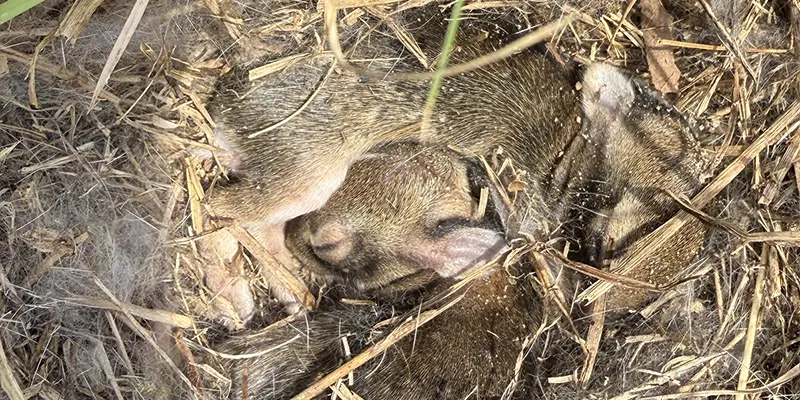
- Two young Eastern Cottontails (Sylvilagus floridanus) were seen curled up together, relying on camouflage and stillness to avoid predators.
Tuesday, June 9th
- Turtle Tuesday! Two different turtles were observed along the trails while staff conducted game camera maintenance, a reminder of how active reptiles become during the summer months.
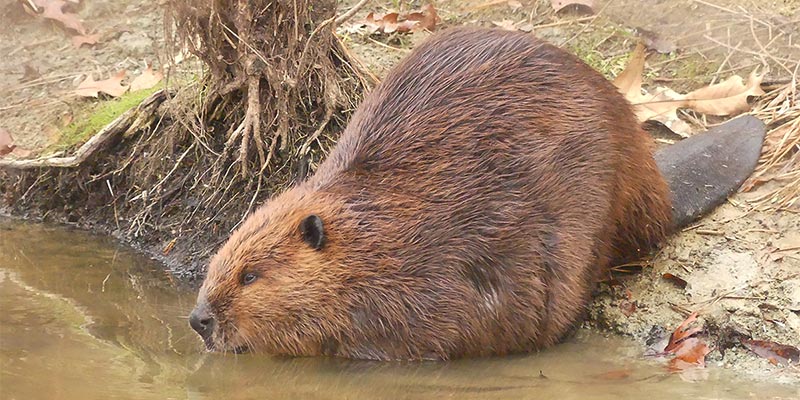
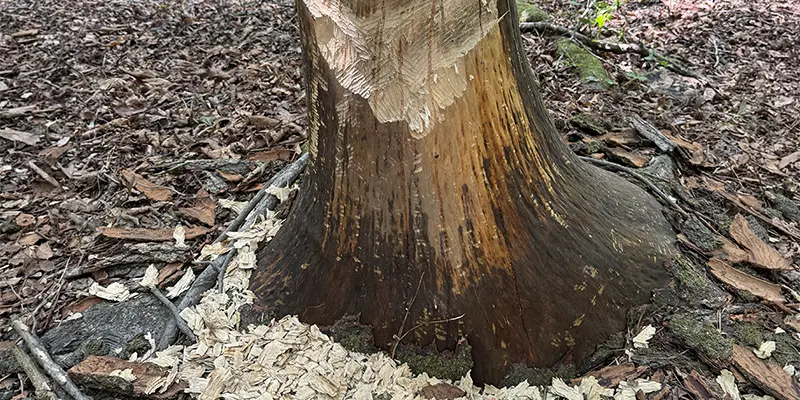
- Fresh American Beaver (Castor canadensis) sign was observed on a tree near one of the game cameras, indicating continued activity along the waterway.
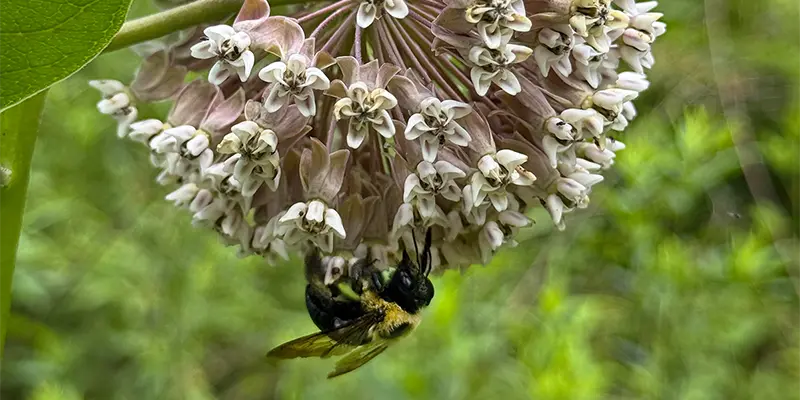
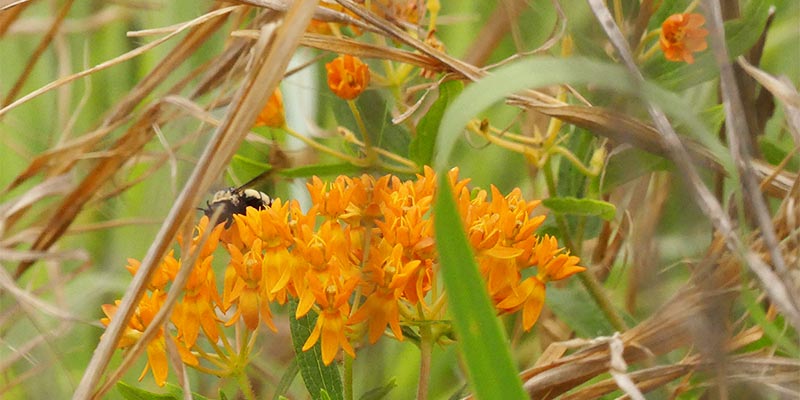
- An Eastern Carpenter Bee (Xylocopa virginica) was observed pollinating milkweed (Asclepias spp.), highlighting the key role native pollinators play in maintaining healthy plant communities.
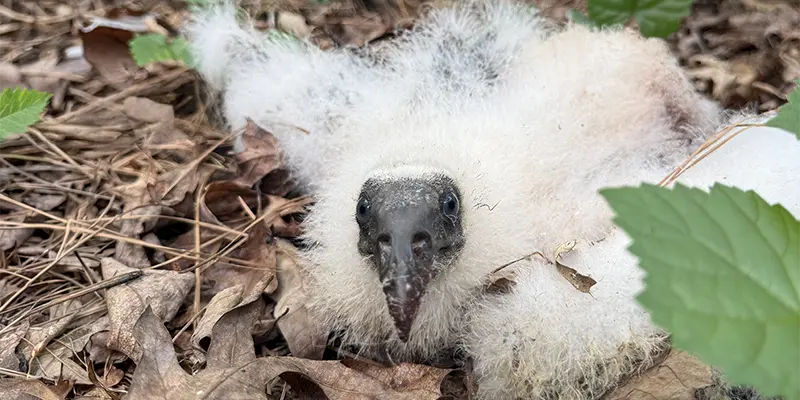
- An injured juvenile Turkey Vulture (Cathartes aura) was discovered and transported to Black Creek Wildlife Center, where it received care for its injuries.
Friday, June 12th
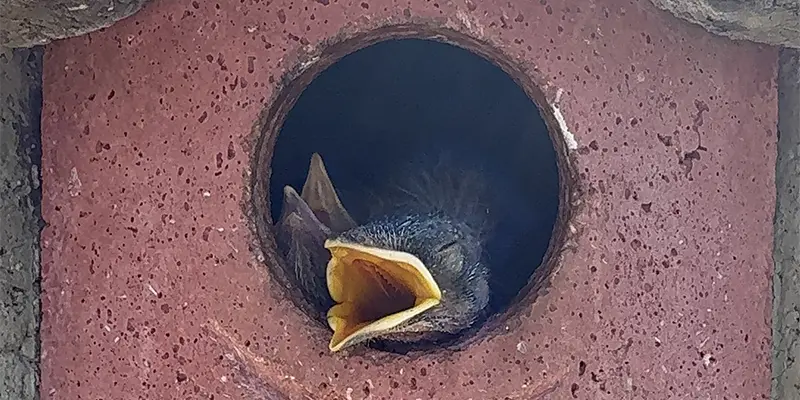
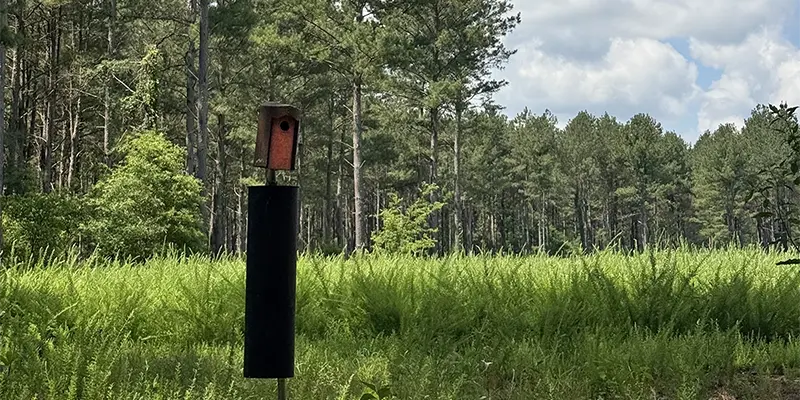
- While conducting weekly bird box monitoring, an eager Eastern Bluebird (Sialia sialis) hatchling was seen resting its head near the entrance hole of the box, hoping to be first in line when a parent returned with food.
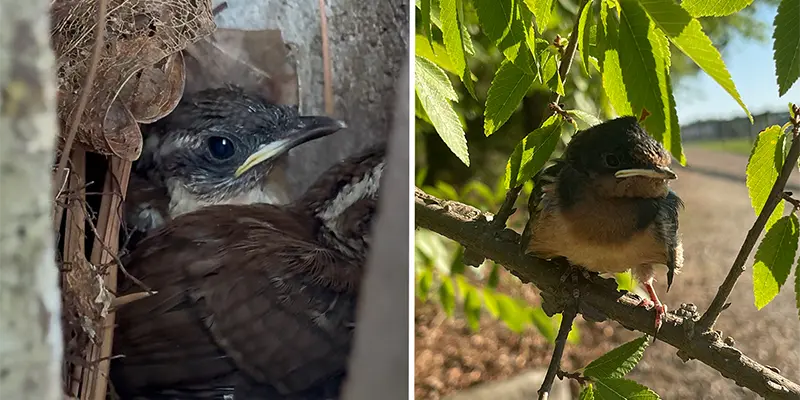
- Carolina Wrens (Thryothorus ludovicianus) were observed in their nest box just days before fledging, a sign that another successful nesting attempt was nearing completion.
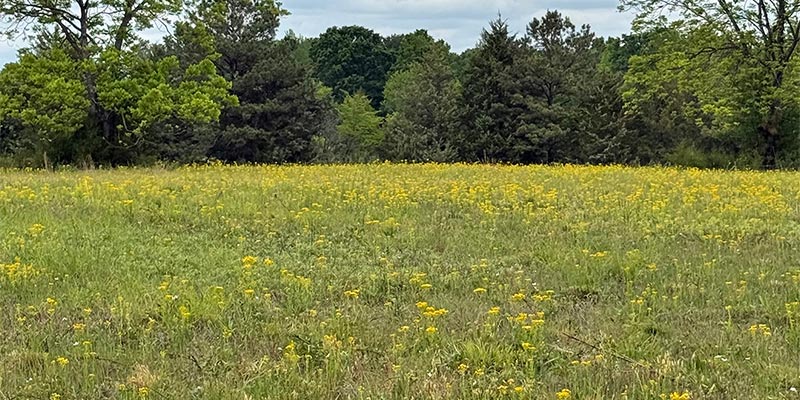
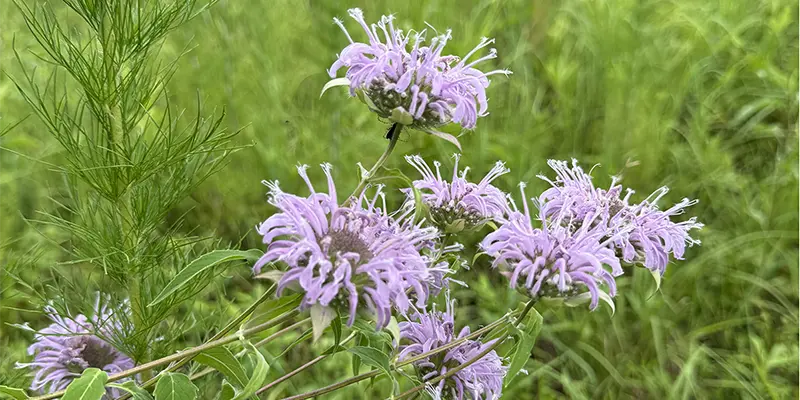
- Staff took a moment to appreciate the beauty of one of the property's prairies during a pleasant summer day.
Tuesday, June 16th
Wild Bergamot (Monarda fistulosa) was observed blooming in one of the meadows, adding color to the summer landscape and attracting pollinators.
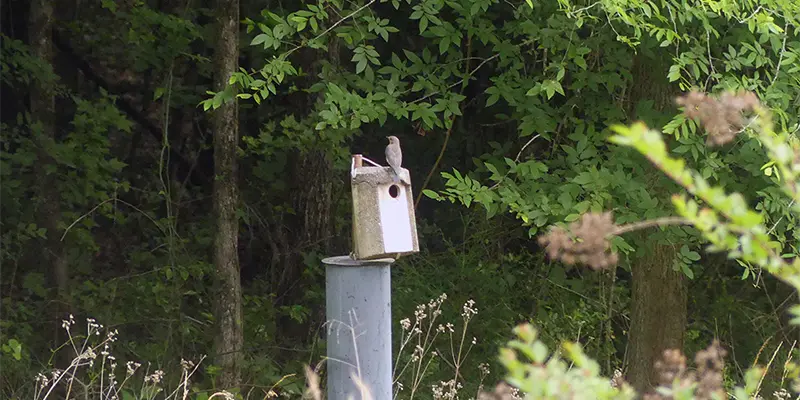
- An Eastern Bluebird (Sialia sialis) was seen perched on top of a nest box, keeping watch over the surrounding area.
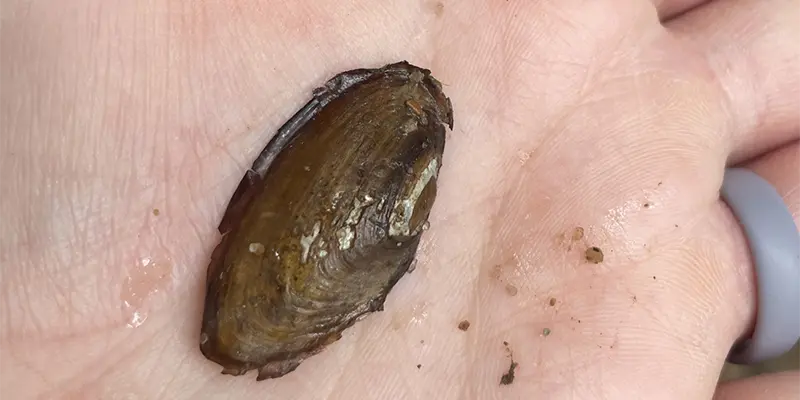
- An Eastern Elliptio (Elliptio complanate) was observed along the water's edge, a reminder of the significant role mussels play in filtering water.
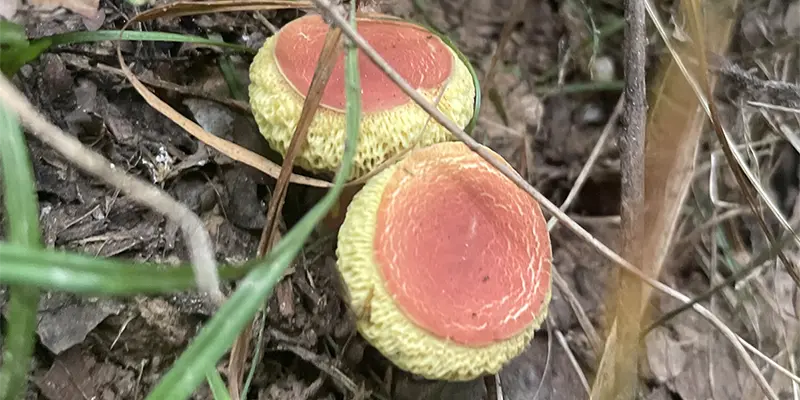
- A young Bicolor Bolete (Baorangia bicolor) was found growing on the forest floor following recent rainfall.
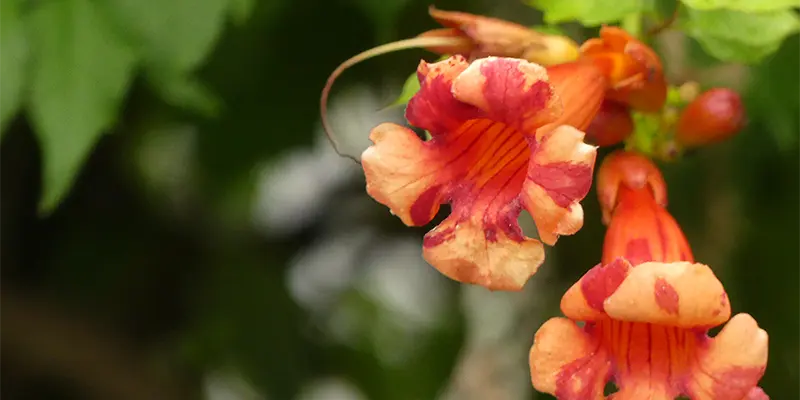
- Trumpet Creeper (Campsis radicans) was observed blooming near one of the ponds, its bright orange flowers attracting pollinators throughout the summer.
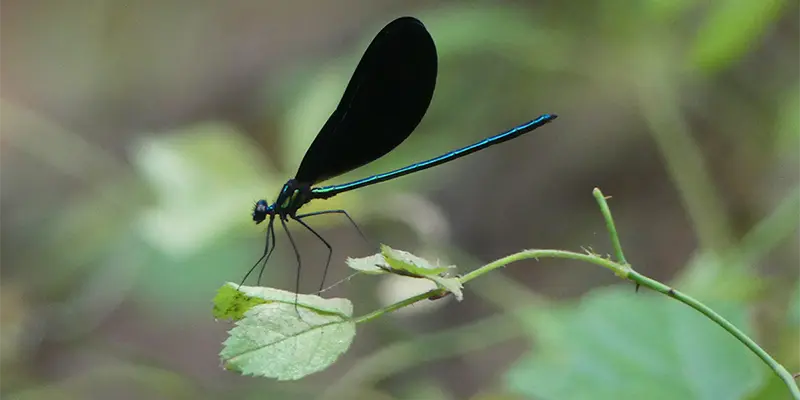
- An Ebony Jewelwing (Calopteryx maculata) was observed resting on a leaf.
Wednesday, June 17th
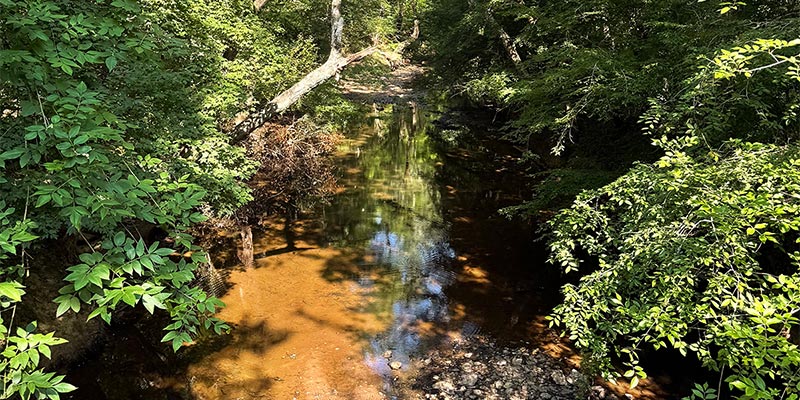
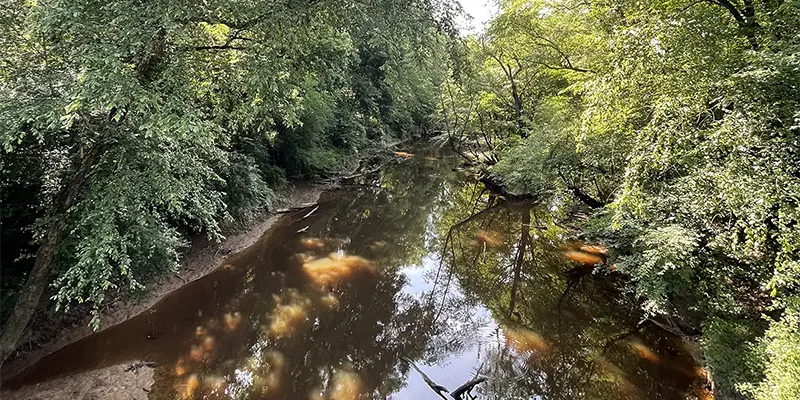
- The beauty of Carolina Wildlands was on full display as sunlight filtered through the trees and reflected off the flowing creek beside one of the shaded bird boxes.
Tuesday, June 23rd
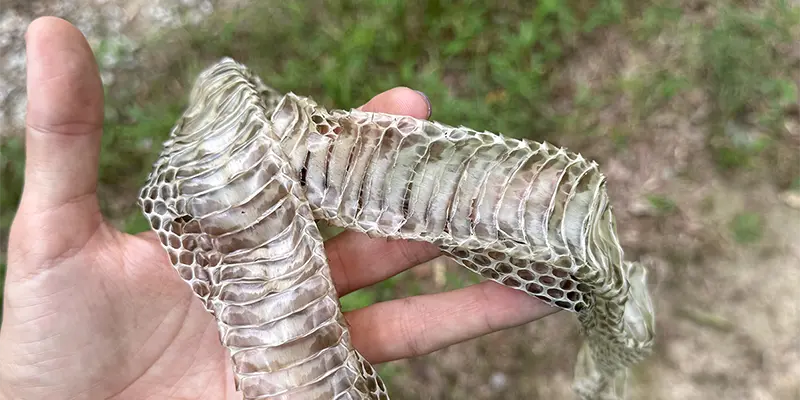
- A large snake shed was discovered near one of the wooden sculptures on the property. Finding shed skins provides evidence of reptile activity even when the animal itself is not observed.
Wednesday, June 24th
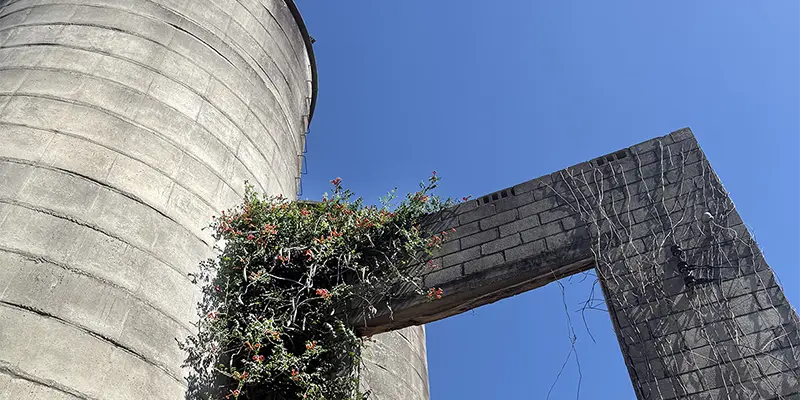
- Trumpet Creeper (Campsis radicans) was observed climbing one of the old concrete silos, adding a splash of color to the old structure.
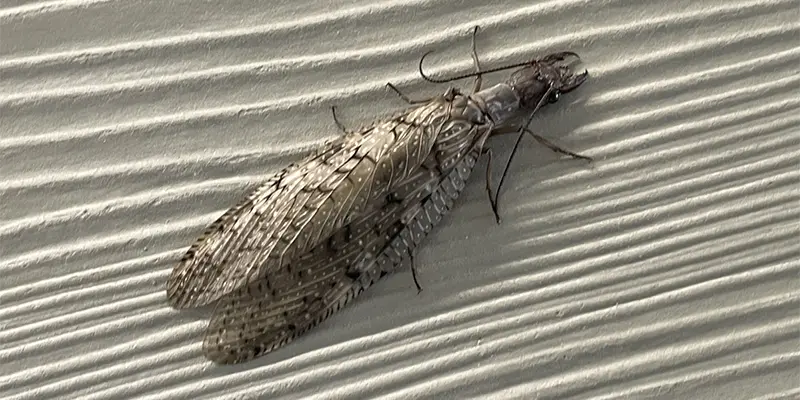
Friday, June 26th
- A large Eastern Dobsonfly (Corydalus cornutus) was observed. While their appearance can be intimidating, these insects are harmless to people and are often associated with healthy aquatic ecosystems.