January
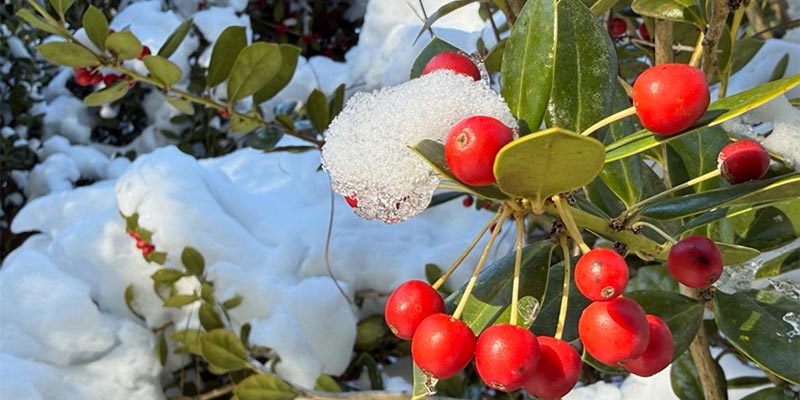
Monthly Weather Review
Rainfall Total – 3.66 in
Highest Temperature -80°F
Lowest Temperature - 14°F
Average Wind Speed – 6.1 mph
Friday, January 2nd
- A bright red Northern Cardinal (Cardinalis cardinalis) was observed perched on the wooden fence outside the CWF staff window. Its vivid coloration stood out sharply against the muted winter landscape, making it an unmistakable presence on a gray morning.
Tuesday, January 6th
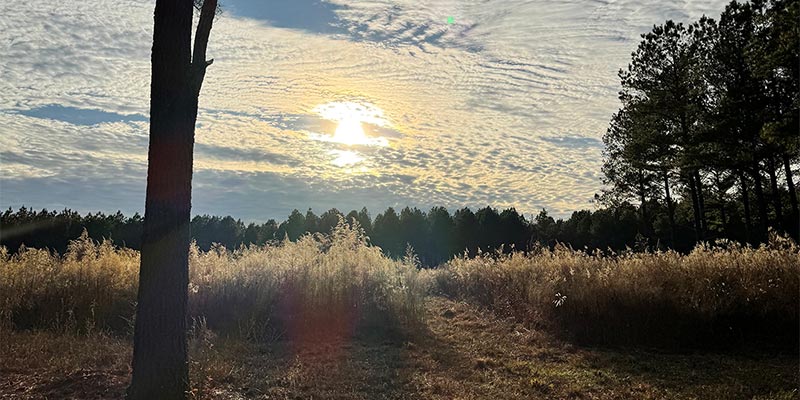
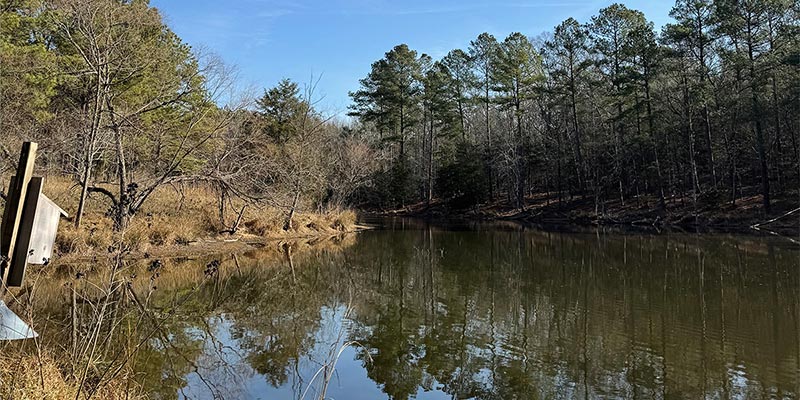
- Turtle Pond reflected the clear morning sky, its smooth surface mirroring pale blues, and soft light. Calm winter mornings like this often produce mirror-like water conditions before daily winds develop.
Wednesday, January 7th
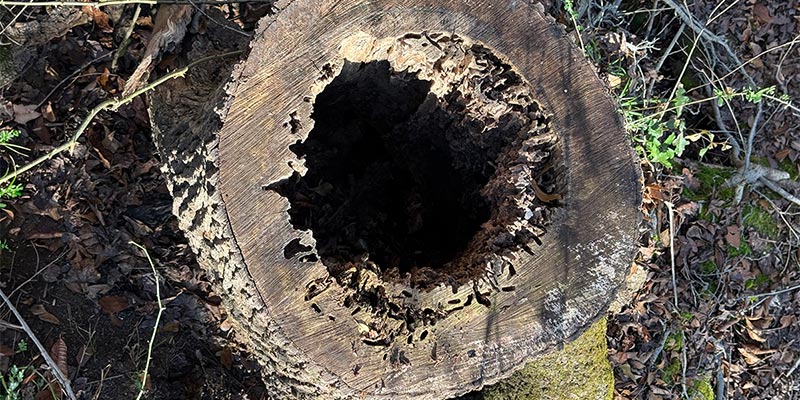
- An unusually shaped stump with an almost perfect circular top was noted along the route. The symmetry and exposed growth rings offered a clear view of the tree’s age and growth patterns.
Thursday, January 8th
- CWF staff observed a group of twelve white-tailed deer (Odocoileus virginianus) moving through the prairies. Winter grouping behavior is common and can increase vigilance while foraging in open habitat.
Monday, January 12th
- An all-black fox squirrel (Sciurus niger) was seen jumping from tree to tree. This coloration occurs naturally and is especially striking against dormant winter vegetation.
Tuesday, January 13th
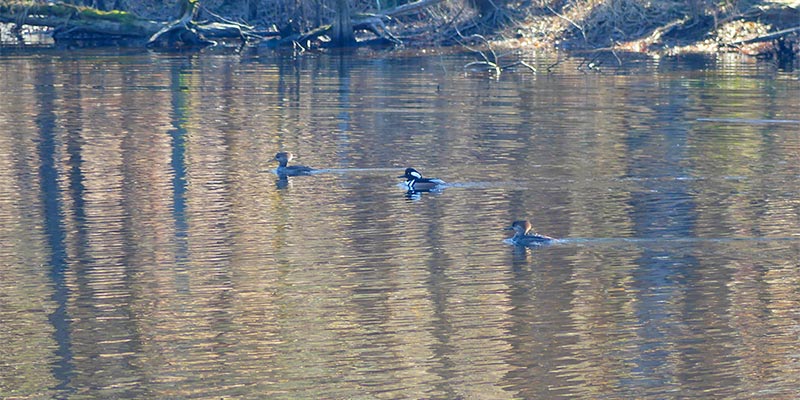
- Hooded Mergansers (Lophodytes cucullatus) were observed at Turtle Pond once again, suggesting the pond continues to provide suitable foraging habitat during colder conditions.
Friday, January 16th
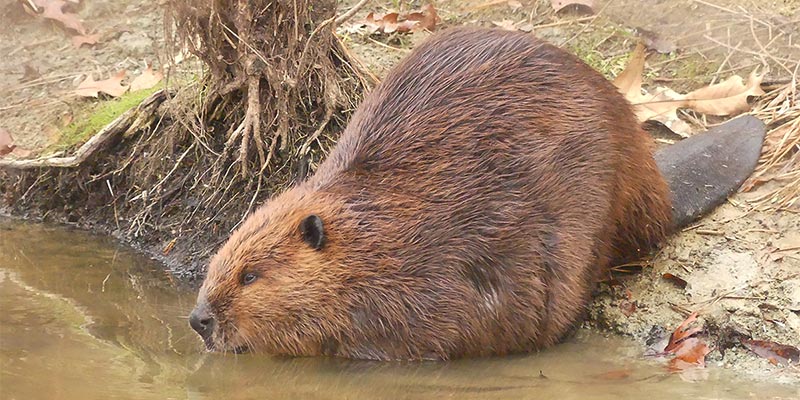
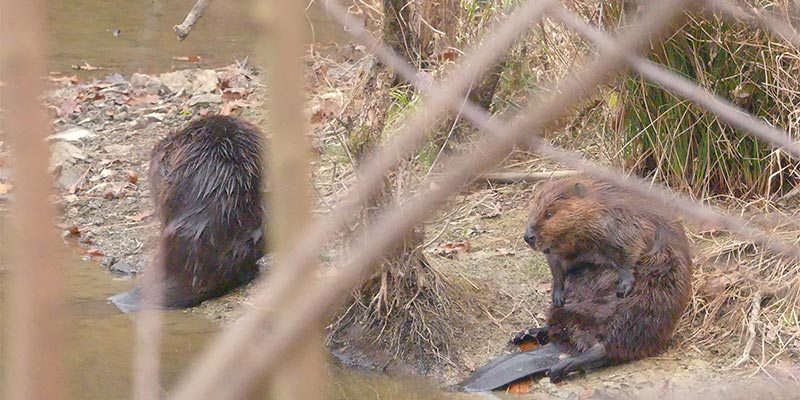
- CWF staff observed two beavers (Castor canadensis) at Turtle Pond. Their continued presence highlights year-round activity and maintenance of aquatic access even during winter.
Monday, January 19th
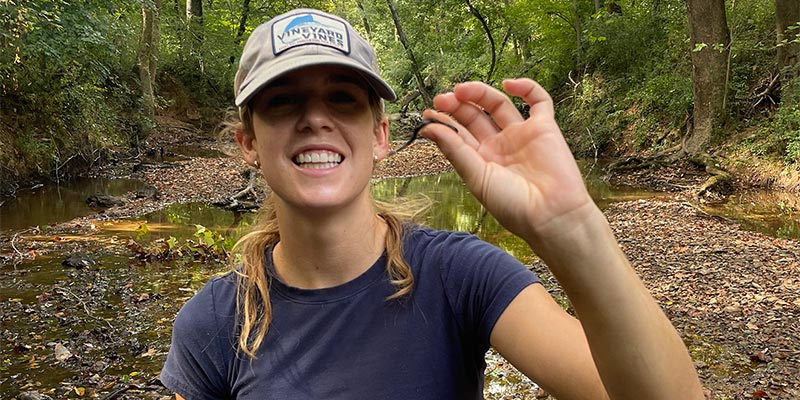
- While water sampling, CWF staff observed a Great Blue Heron (Ardea herodias) wading slowly through the water while searching for prey, demonstrating patience and adaptability in winter foraging.
Tuesday, January 20th
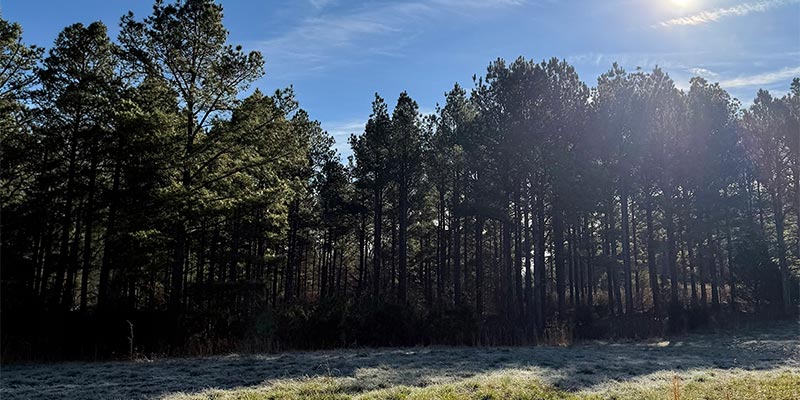
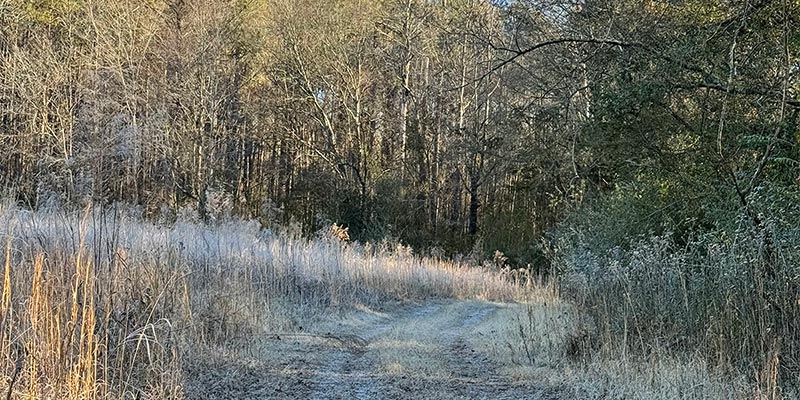
- Frost covered the grass along the game camera route, giving the landscape a silvery appearance. Shaded areas beneath canopy cover remained icy, while sun-exposed sections thawed more quickly.
Wednesday, January 21st
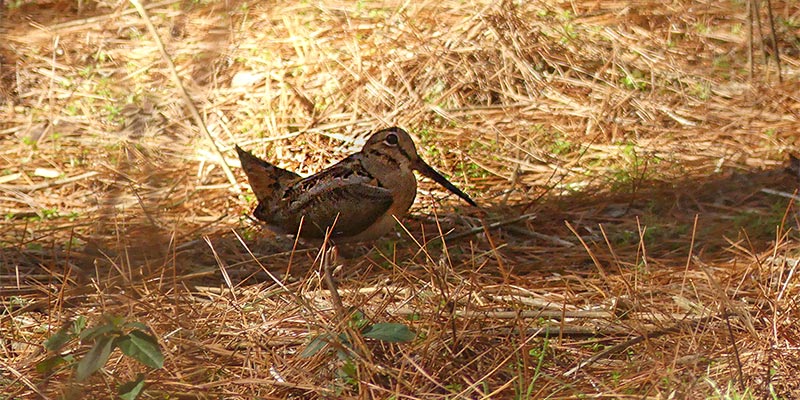
- An American Woodcock (Scolopax minor) was spotted resting on the ground within the pine stands. Its excellent camouflage made detection difficult until it flushed from the forest floor.
Thursday, January 22nd
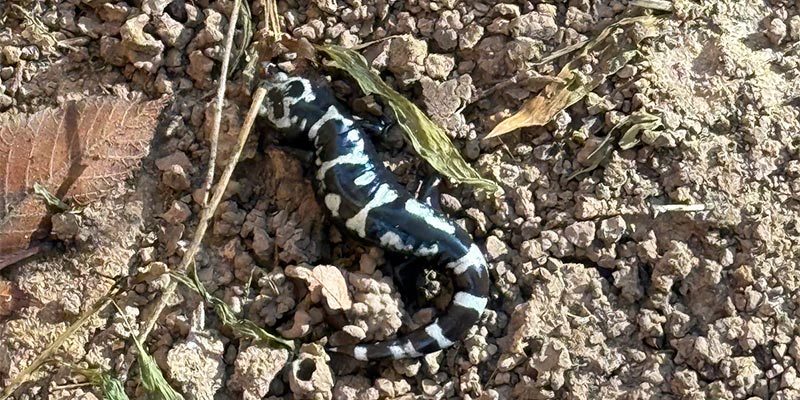
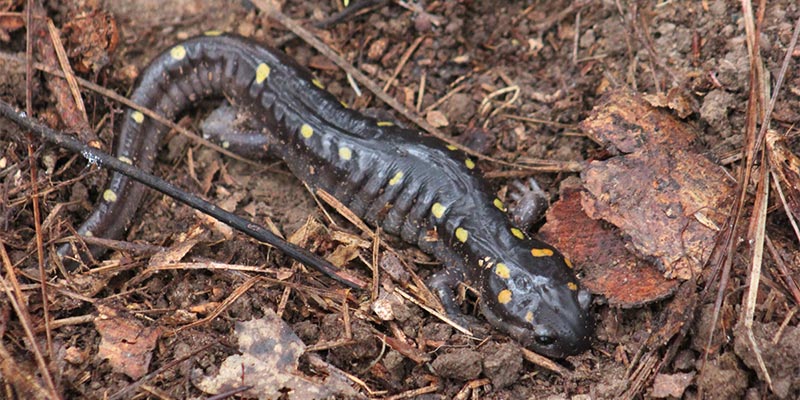
- A Spotted Salamander (Ambystoma maculatum) was found beneath a wooden coverboard, using the insulated microhabitat to remain protected from freezing temperatures.
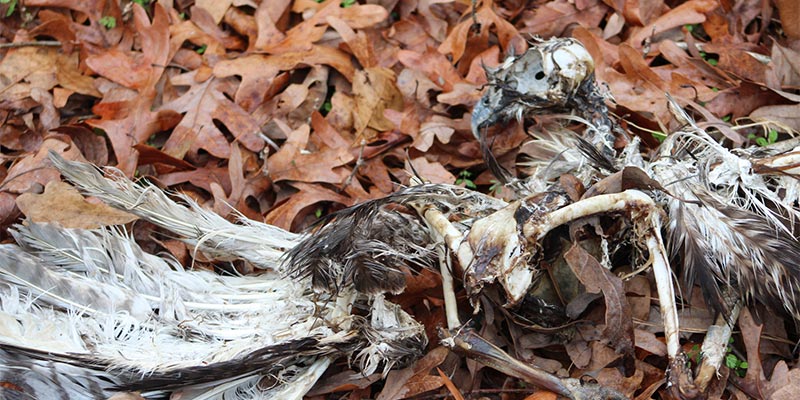
- Skeletal remains of a hawk (species undetermined) were also discovered by CWF staff, offering a glimpse into predator life cycles and winter mortality.
Saturday, January 24th
- An ice storm moved through the Carolinas, coating vegetation and infrastructure with ice and significantly impacting field conditions.
Tuesday, January 27th
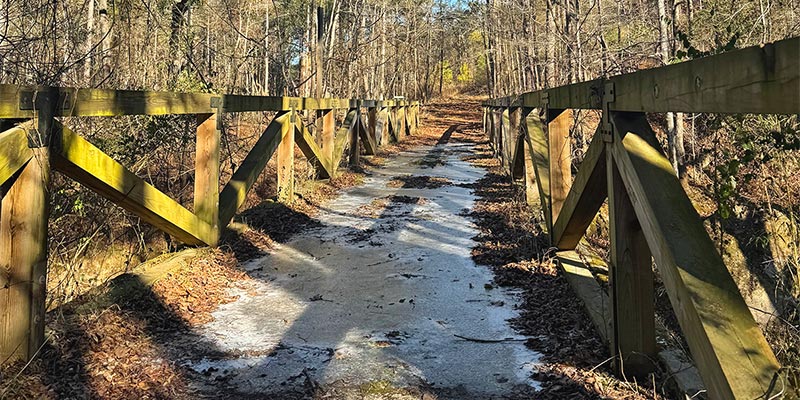
- Icy roads and bridges persisted throughout the area, emphasizing the lasting effects of winter storm events.
Thursday, January 29th
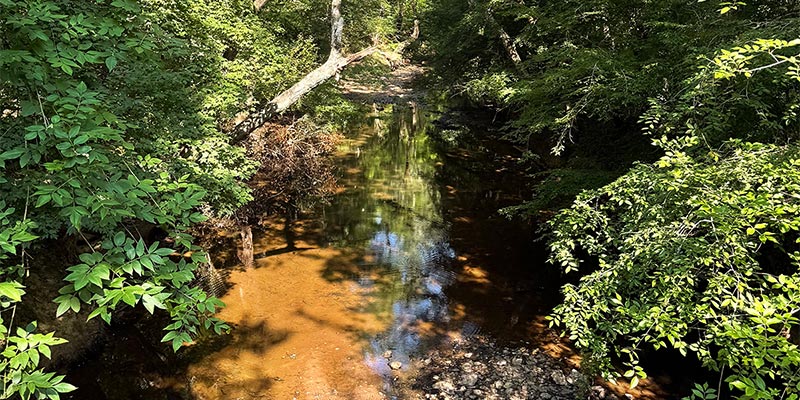
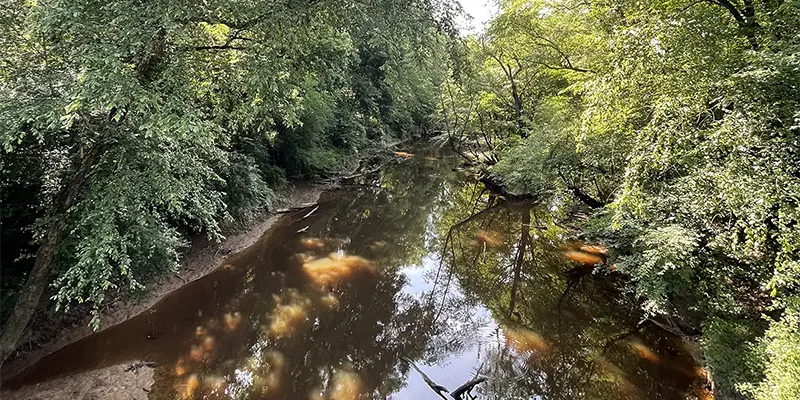
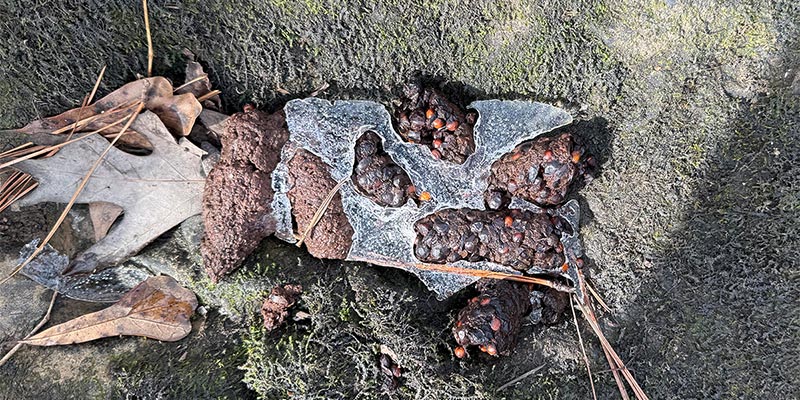
- Frozen raccoon (Procyon lotor) scat was found on rocks near Thompson Creek, indicating continued mammal activity despite extended cold conditions.
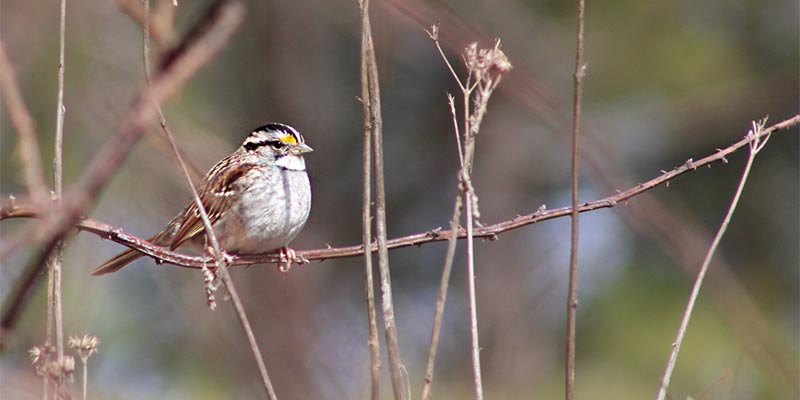
- A White-throated Sparrow (Zonotrichia albicollis) was observed singing from within a dense briar patch.
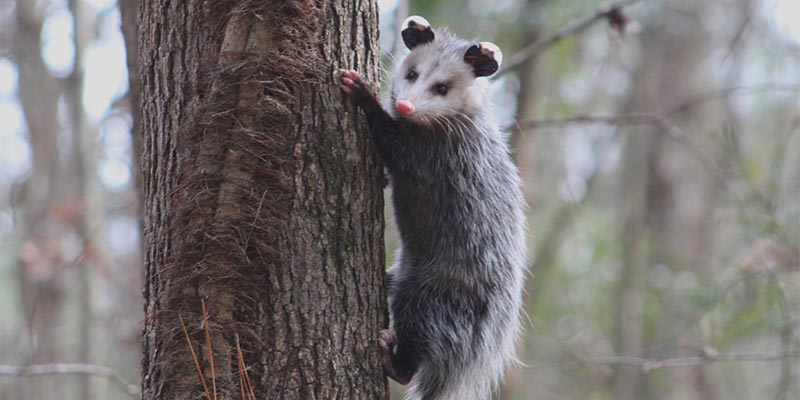
- An opossum (Didelphis virginiana) was seen scurrying up a tree, likely responding to nearby disturbance.
- A Hermit Thrush (Catharus guttatus) was observed quickly flushing from a nearby branch and disappearing into cover.
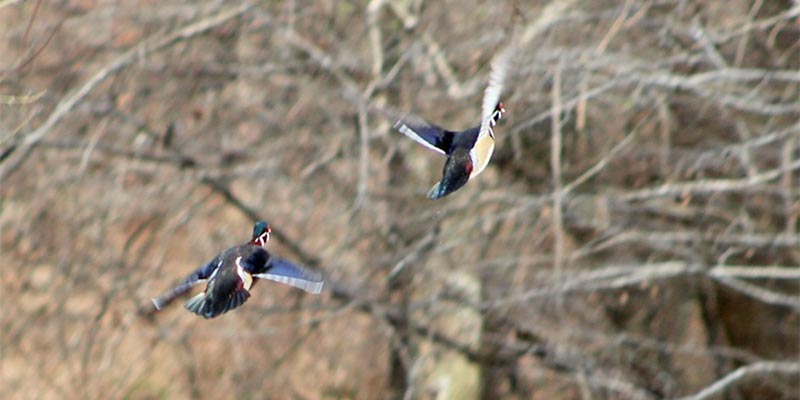
- Two male Wood Ducks (Aix sponsa) were startled by human presence and flew up from Thompson Creek.
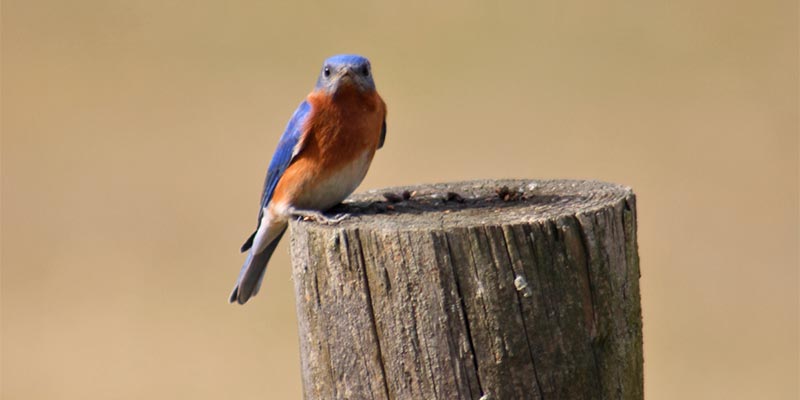
- An Eastern Bluebird (Sialia sialis) was observed perched nearby, fluffed up against the cold and appearing notably unimpressed by the weather.
Saturday, January 31st
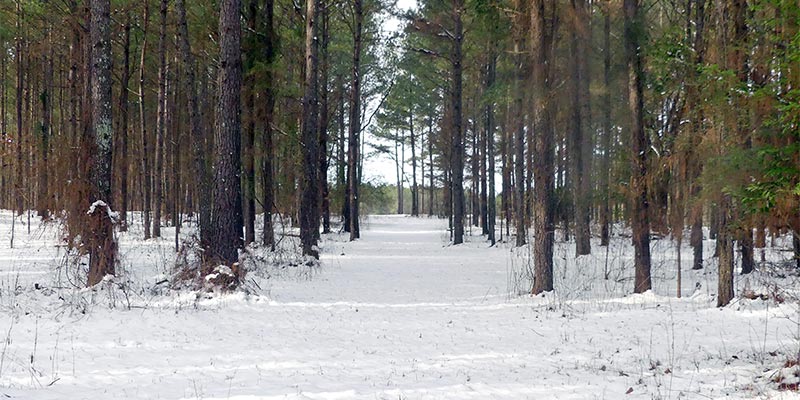
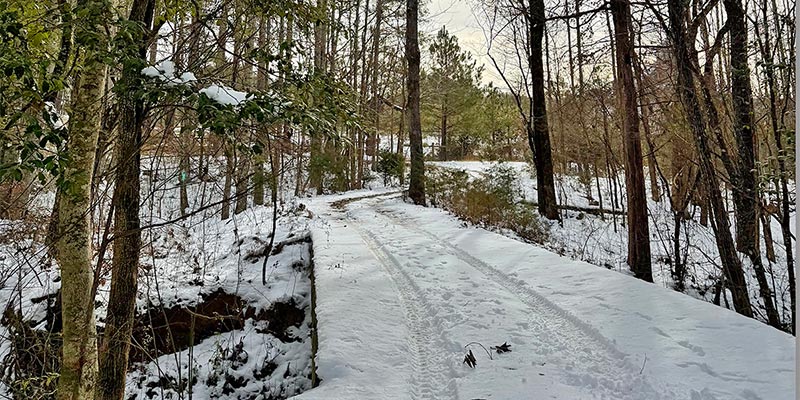
- A snowstorm moved through the Carolinas, blanketing the landscape and bringing the month to a wintry close.